Teaching Kids to Serve Through Business
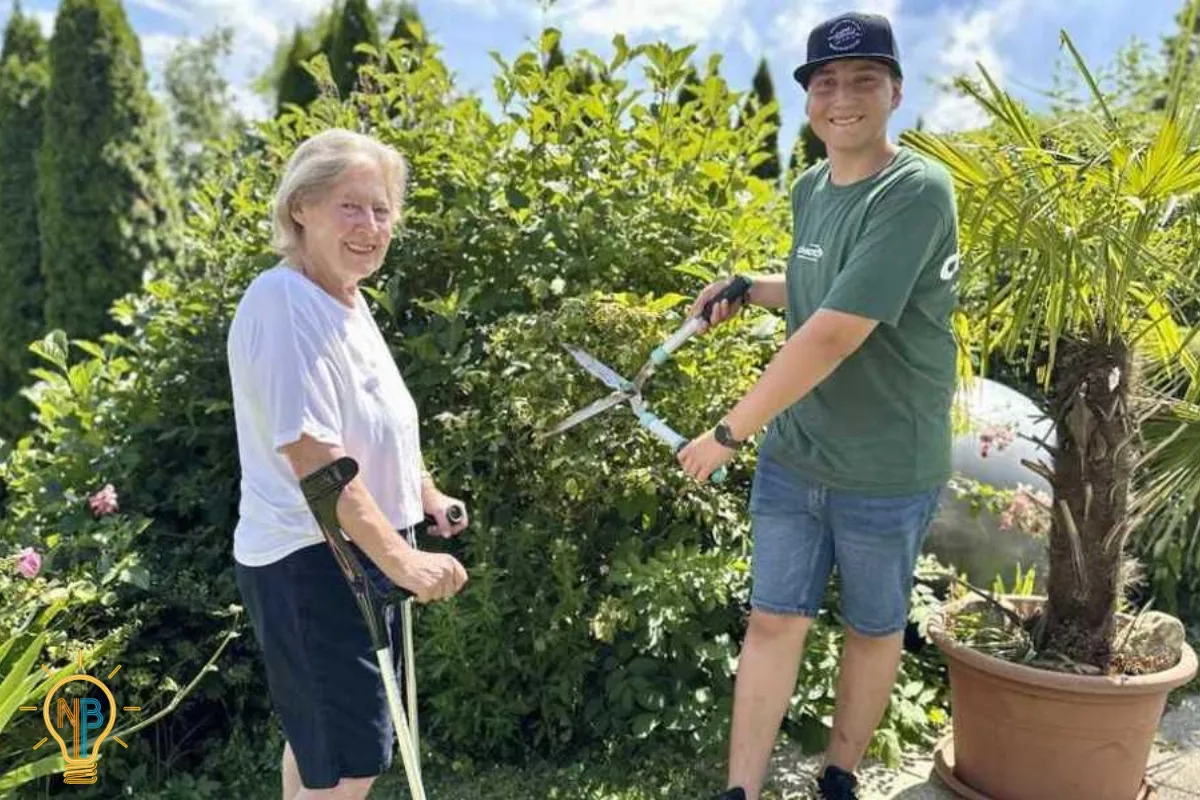
A child notices that the neighbor's trash cans are still sitting at the curb. Another child realizes Grandma has trouble carrying groceries into the house. Someone else sees that Mom is always running out of time to wash the family car.
These may look like ordinary family moments, but they're also opportunities to teach an important lesson about business: good businesses solve problems for people.
When we teach children about entrepreneurship, it's easy to focus on coming up with an idea, making money, or selling something. Those are certainly parts of business, but they're not the whole picture. At its heart, business gives children an opportunity to recognize a need and ask, "How can I help?"
For Christian families, that's a meaningful place to begin.
Start With Service, Not Sales
One of the simplest ways to introduce children to entrepreneurship is to change the question.

Instead of asking, "What could you sell?" try asking, "What problem could you solve?"
That small shift changes the way a child looks at the world. Suddenly, they may begin noticing things other people need help with.
Maybe younger siblings need someone to read to them while Mom makes dinner. Maybe a neighbor would appreciate help pulling weeds. Maybe an elderly family member could use help organizing a garage or walking a dog.
Not every solution needs to become a business, of course. Sometimes serving someone simply means helping without expecting anything in return. But children can begin to understand that businesses often exist because someone is willing to provide a useful product or service that makes another person's life better or easier.
That is a valuable way to think about work.
Business Can Teach Character
Running even a very small business gives children opportunities to practice character in ways that are difficult to replicate with a worksheet.
If you promise to mow the neighbor's lawn on Saturday, you need to show up.
If you charge someone for a service, you need to do the job carefully.
If you make a mistake, you need to admit it and figure out how to make it right.
If someone isn't satisfied, you have to learn how to respond respectfully.
These experiences can teach children about honesty, dependability, diligence, humility, and responsibility. The business itself doesn't automatically produce those qualities. The learning happens when parents slow down enough to talk about what happened and why it matters.
A child who forgets an appointment has an opportunity to learn about keeping commitments. A child who underestimates how long a job will take can learn about planning. A child who receives criticism can practice responding without becoming defensive.
Those are lessons that reach far beyond entrepreneurship.
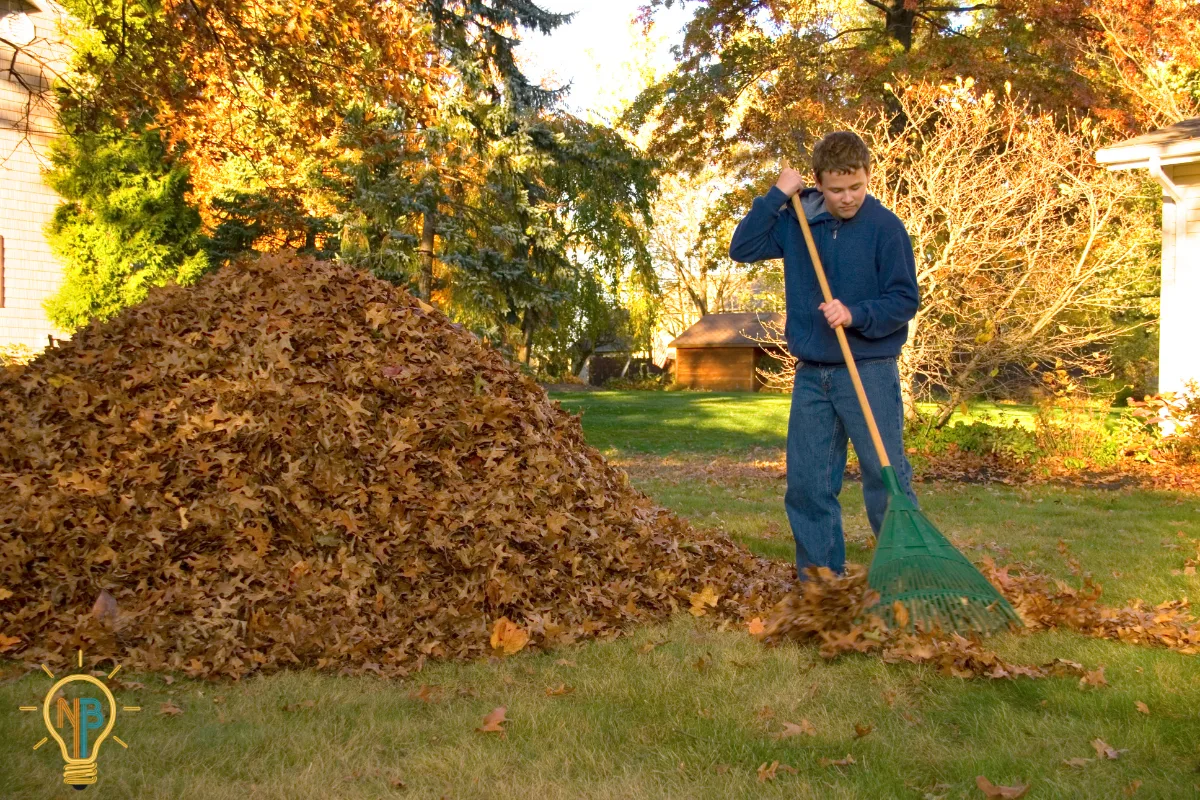
Help Children Recognize Their Own Gifts
Service also gives children a chance to discover that they have something valuable to contribute.
One child might be naturally organized. Another might love animals. One may enjoy drawing, while another is happiest fixing things, working with younger children, cooking, or spending time outdoors.
Instead of trying to turn every child into the same kind of entrepreneur, we can help them notice how their individual abilities might be useful to someone else.
You might ask:
What are you good at?
What do you enjoy doing?
What do people often ask you to help with?
What is something that comes easily to you but might be difficult for someone else?
Who could benefit from that skill?
These questions can lead to surprisingly good conversations.
They also reinforce an important idea: our abilities aren't only for our own benefit. We can use what we've been given to contribute to the lives of other people.
Try a Simple Family Challenge
You don't need a business curriculum or a complicated project to get started.

This week, challenge your child to spend ten minutes looking for three problems or needs around your home, neighborhood, church, or community.
Don't ask them to solve the problems yet. Just notice them.
Then choose one and brainstorm possible solutions.
For example:
Problem: Grandma has trouble carrying things from the car.
Possible solution: Offer to carry groceries when she arrives.
Problem: A neighbor is gone for the weekend and has a dog that needs attention.
Possible solution: Offer to feed or walk the dog.
Problem: Mom doesn't have time to organize the garage.
Possible solution: Offer to sort boxes, sweep, or organize a particular area.
For younger children, this can simply be a conversation. Older children might take the idea further by figuring out what supplies, time, or skills would be needed and whether someone might reasonably pay for the service.
That turns an ordinary family activity into a lesson in problem solving, communication, planning, and value.
What About Making Money?
Money is a legitimate and important part of business, and children can learn a great deal by earning it. But there's value in helping them understand the difference between making money and creating value.
If a child earns $20 by doing a job that genuinely helps someone, the lesson isn't simply, "I made $20." It can also be, "I noticed a need, I used my time and abilities to help, and someone was willing to pay for that help."
That opens the door to conversations about costs, pricing, saving, giving, spending, and stewardship.
It also helps keep money in its proper place. Financial success doesn't have to become the measure of whether a child's effort was worthwhile.
A child who earns a few dollars helping a neighbor has still learned something important, even if that little business never grows beyond the neighborhood.
Let the Lesson Grow With Your Child
The beauty of entrepreneurship education is that it can look different at different ages.
A young child might set up a pretend family store, help with simple household tasks, or brainstorm ways to help someone.
An older child might offer a real service to neighbors or family friends, create a simple price list, track expenses, or talk with a potential customer.
A teenager might take the idea much further by researching the market, creating a budget, managing customers, advertising, or keeping financial records.
You don't need to force every child into starting a business. The goal is to help children become observant, capable, responsible people who understand that their time, skills, creativity, and work can be useful to others.
Raising Children Who Notice
One of the most valuable habits we can cultivate in our children is simply teaching them to notice.
Notice when someone needs help.
Notice when something isn't working.
Notice what people value.
Notice your own strengths.
Then ask, "What can I do about it?"
That's where service and entrepreneurship naturally meet.
Our children don't have to become business owners to benefit from entrepreneurial thinking. They can carry those habits into a future job, a family, a church, a community, or simply an ordinary Tuesday afternoon when someone needs a hand.
As homeschool parents, we have the unique opportunity to let those lessons happen in real life. We can teach our children that work is about more than earning, success is about more than money, and the abilities they've been given can be used to serve others well.
This week, look for one problem your child can help solve. Then let them try. Sometimes the best business lesson begins with something as simple as noticing that someone needs help.
Want to Explore Business Projects With Your Child?
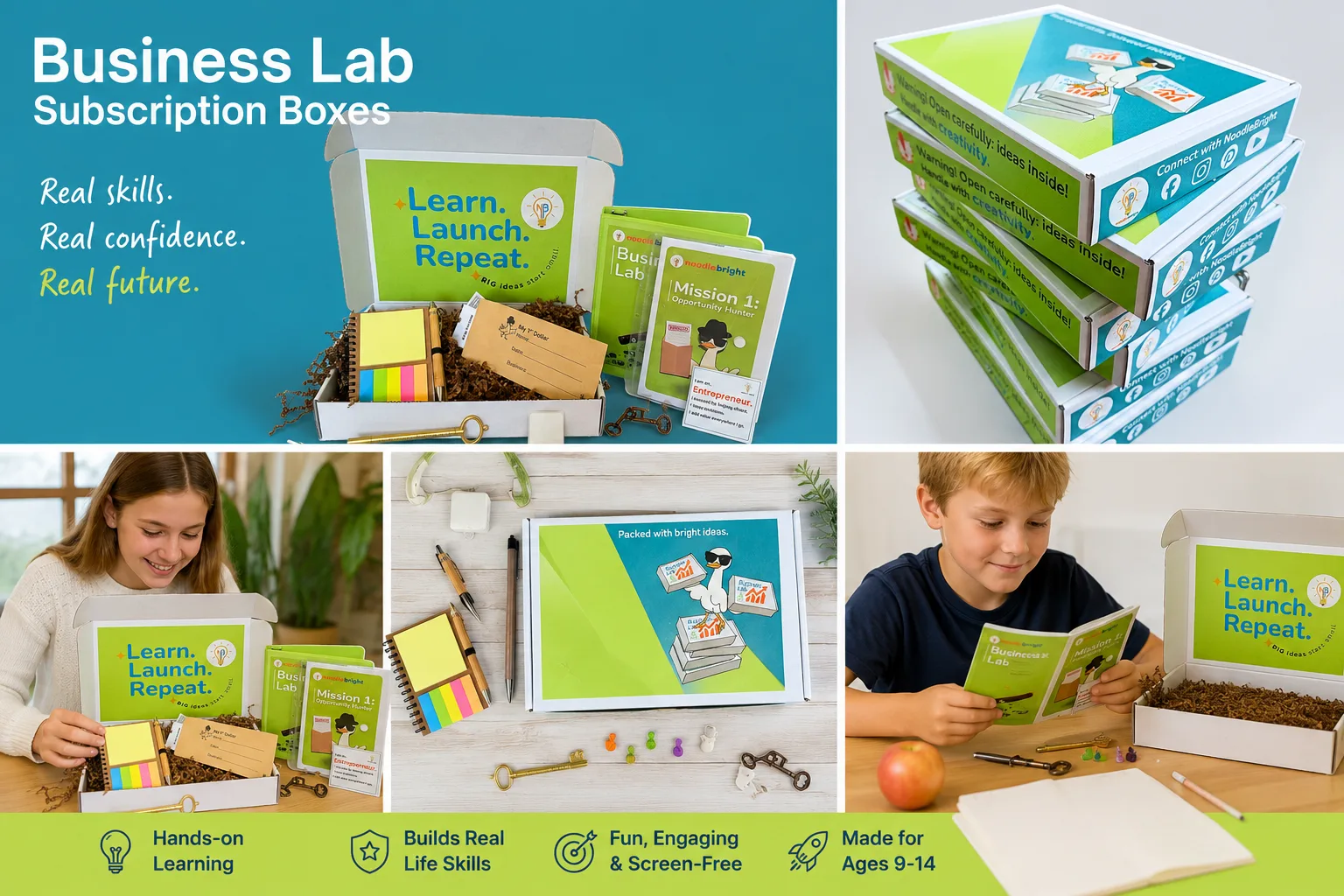
If you're looking for a structured way to introduce your child to entrepreneurship through hands-on projects, Noodle Bright Business Lab™ was created for kids ages 9–14. Each monthly box gives young learners an opportunity to explore entrepreneurship, problem-solving, marketing, financial literacy, and real-world business skills through hands-on activities.
Explore Noodle Bright Business Lab™ →
Author Bio
Neeley Dosdall is a second-generation homeschool mom, mother of seven, entrepreneur, and founder of Noodle Bright Educational Resources LLC. After years of homeschooling her own children, she created Noodle Bright Business Lab to help kids develop practical skills through entrepreneurship, financial literacy, problem solving, creativity, and hands-on learning. Neeley enjoys helping homeschool families find meaningful ways to prepare children not just for academics, but for the responsibilities of real life.