The Life Skills Schools Often Don't Teach
There is a moment in almost every parent's life when a child knows how to solve a complicated math problem, but has absolutely no idea what to do when the washing machine starts making a strange noise.
Or perhaps your teenager can write a five-paragraph essay, but has never balanced a checking account, planned a simple meal, made a professional phone call, compared two prices, or figured out how much money is actually left after expenses.
It is easy to laugh about these moments because we have all had them. But they point to a bigger question worth asking:
Are we teaching our children everything they need to know to become capable adults?
Reality is, there simply isn't room in a traditional academic schedule to teach every practical skill a child will eventually need. That is one of the beautiful opportunities of homeschooling.
We don't need to carve out time for "teaching" everything there is to know about life while sitting at a desk in the morning. Everyday life can become part of the curriculum, after the books are all closed. Some of the most important lessons may be the ones that never come with a worksheet.
And it is one of the beautiful things about homeschooling: education can happen not only in the lessons we intentionally sit down to teach, but also in the ordinary moments when our children are learning how to live.
What Do We Mean by "Life Skills"?
Life skills are the practical abilities children gradually need in order to navigate everyday life responsibly and independently.
Some are obvious, such as cooking, cleaning, personal hygiene, and basic household maintenance.
Others are less tangible.
Children need to learn how to communicate clearly, make decisions, manage their time, solve problems, handle disappointment, work with other people, manage money, keep commitments, and take responsibility for the consequences of their choices.
Many of these skills develop naturally through family life. A child may eventually learn how to do laundry simply because someone eventually shows them how.
But what about budgeting?
What about recognizing a bad deal?
What about knowing how to respond when a customer is unhappy?
What about figuring out what to do when a plan fails?
What about learning how to work diligently when nobody is standing over them?
Those are lessons worth teaching deliberately.
1. Managing Money
One of the most important life skills children can develop is the ability to make thoughtful decisions about money.
That doesn't mean handing a ten-year-old a complicated investment portfolio.
It can begin with remarkably ordinary questions that naturally flow from your daily life.
"Do you want to spend your money now or save for something bigger?"
"How much will those three items cost together?"
"If this costs $8 and you have $10, how much will you have left?"
"Is the bigger package actually a better deal?"
"What happens when we spend money on one thing and don't have it available for something else?"
These conversations turn abstract financial concepts into real decisions. Those are not merely financial skills. They are life skills.
For a Christian family, conversations about money can also naturally become conversations about stewardship.
Conversations may include why we give; why we save; how to invest wisely; the dangers of sparkly, "buy now... make 4 easy payments later," entrapments. Children can begin to understand that money is a resource to manage wisely rather than simply something to spend.
You might divide a child's earnings or gift money into categories such as spending, saving, and giving. The exact system isn't the important part. The conversation is.
The goal is to help children learn to create a healthy financial value system. Essentially, we want them to learn to think before they spend.

2. Communication
Knowing how to communicate well will serve a child in almost every part of adult life.
That includes knowing how to:
introduce yourself
make a phone call
ask a thoughtful question
listen without interrupting
explain a problem
disagree respectfully
write a professional email
speak to an unfamiliar adult
apologize sincerely
respond when someone is upset
explain an idea clearly
These skills are easy to overlook because communication happens constantly.
But children still need practice.
A homeschool parent might deliberately give a child opportunities to order food at a restaurant, call to ask a business a question, introduce themselves to someone new, or explain how a household problem should be solved.
For a younger child, that might mean practicing a simple greeting while making eye contact.
For a teenager, it might mean making an actual phone call rather than handing the phone to Mom.
The objective isn't to make children perform.
It is to help them become comfortable communicating clearly, respectfully, and confidently.

3. Problem Solving
Adults rarely receive a neatly worded worksheet that says, "Here is the problem. Here are the four pieces of information you need. Choose the correct answer."
Real life is much messier.
The package didn't arrive.
The car won't start.
The recipe doesn't have one of the ingredients.
The event was canceled.
The customer isn't happy.
The budget doesn't work.
The original plan isn't possible anymore.
Children need opportunities to experience these situations while the consequences are still manageable.
Instead of immediately solving every problem for them, try asking:
What do you think we should do?
What information do we need?
What options do we have?
What could go wrong with each option?
What would you try first?
That doesn't mean parents should stand back while children struggle unnecessarily.
It means that when the situation is appropriate, we can resist the temptation to provide the answer before the child has had a chance to think.
Problem solving is not simply an academic skill. It is a way of approaching life.
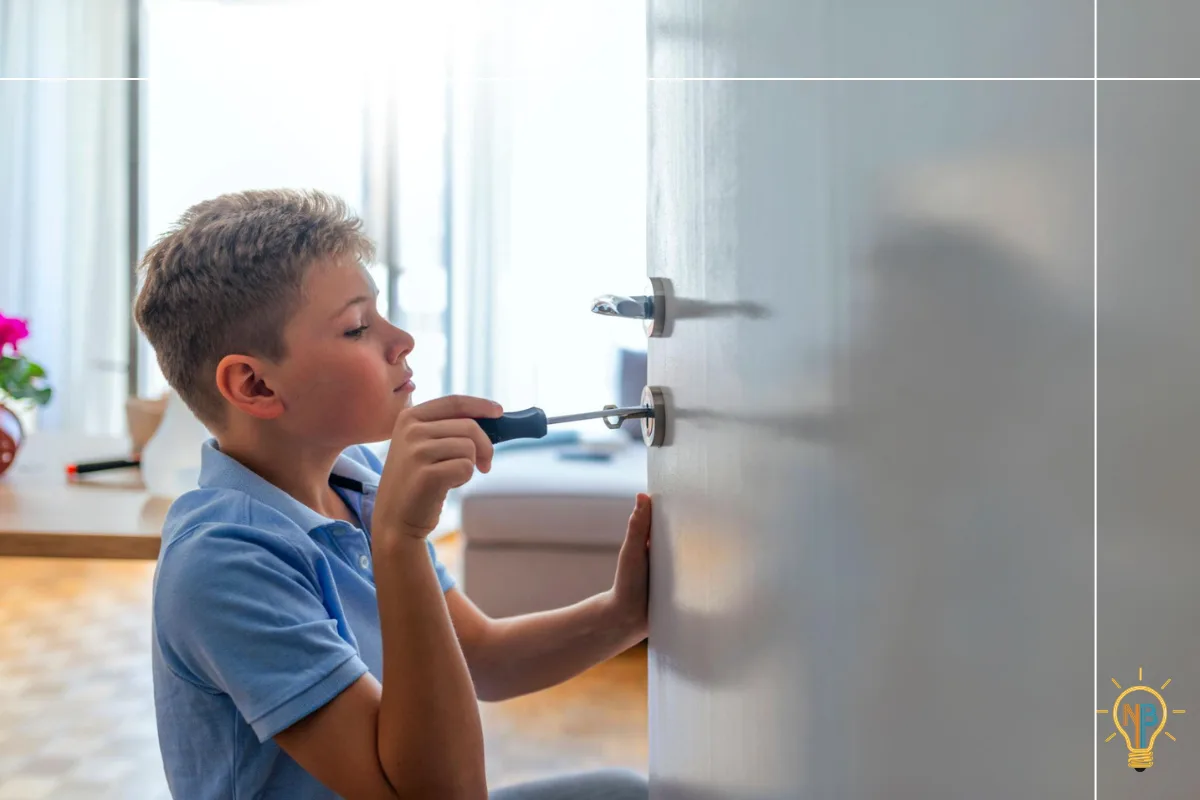
4. Learning to Work
There is a difference between completing an assignment and learning how to work.
A child can finish schoolwork because a parent reminds them every fifteen minutes.
That doesn't necessarily teach them how to recognize what needs to be done, get started, stay with a difficult task, and finish it responsibly.
Work ethic develops through practice.
Children can learn it through household responsibilities, caring for animals, helping with family projects, gardening, cooking, building, volunteering, and eventually paid work.
The work doesn't have to be glamorous. In fact, ordinary work may be some of the best training.
A child who learns to finish cleaning a room even when they'd rather be playing is practicing something important.
A teenager who shows up on time for a job is practicing something important.
A child who realizes that someone else is depending on them is practicing something important.
Each of these scenarios are opportunities to connect work with character.
Diligence, honesty, responsibility, and serving others are not merely workplace skills.
They are qualities worth developing throughout life.
5. Taking Responsibility
One of the hardest lessons for parents is knowing when to step in and when to let a child experience the natural consequences of a decision.
If a child forgets their water bottle, Mom can bring it.
If a teenager forgets an online assignment, Mom can email the teacher.
If a child spends all of their money, a parent can replace it.
Sometimes those interventions are appropriate. But if we always remove the consequences, children lose opportunities to learn from their decisions.
Responsibility grows when children gradually experience ownership.
That might mean allowing a child to manage a small budget, remember their own equipment for an activity, keep track of an assignment, care for a pet, or take responsibility for a household task.
The goal isn't punishment. It is preparation.
Children eventually become adults who have to make decisions without someone standing behind them.
Giving them appropriate responsibility while they are still at home allows parents to coach them along the way.
6. Understanding the Value of Time
Children often experience time very differently from adults. A parent sees that everyone needs to leave in 20 minutes. The child sees plenty of time.
Learning to manage time is something children can practice long before they have a job or a college schedule.
Start small. Ask your child how long they think a task will take. Then time it.
Was their estimate accurate?
What made the task take longer?
What could they do differently next time?
Older children can begin managing portions of their own schedules.
They can learn to identify priorities, estimate how long assignments will take, work backward from a deadline, and recognize that saying yes to one thing often means saying no to something else.
Again, this is not just academic preparation.
It is preparation for adulthood.
7. Handling Failure and Disappointment
One of the most valuable things parents can teach children is that making a mistake does not make them a failure.
Children need opportunities to try something, discover that it doesn't work, and figure out what to do next.
That might happen when a recipe goes wrong.
A Lego structure collapses.
A business idea doesn't sell.
A sports skill takes longer to learn.
A project doesn't turn out as expected.
A friend says no.
A child makes a poor decision.
The parent can ask:
What happened?
What can we learn from it?
What would you do differently next time?
That turns failure into information.
This is particularly powerful in project-based learning and entrepreneurship, where children can test ideas, receive feedback, make adjustments, and try again.
The objective isn't to make children fearless.
It is to help them become resilient enough to keep learning when things don't go according to plan.
8. Serving Other People
Life skills aren't only about becoming independent. They are also about becoming helpful.
Can your child notice when someone needs help?
Can they contribute without being asked?
Can they recognize that their actions affect other people?
Can they serve someone who cannot immediately do anything for them in return?
These lessons can happen through everyday family life.
Children can help a younger sibling, prepare food for someone who is sick, assist an elderly neighbor, participate in church service, or simply notice what needs to be done around the house and do it.
This is where practical education and character education overlap beautifully.
A capable child isn't simply someone who can take care of himself.
A capable child can also become someone other people can depend on.
The goal is to gradually raise young people who are capable, responsible, thoughtful, and willing to use what they have learned for the good of others.
9. Making Decisions
Children make decisions all day long.
What should I eat?
What should I buy?
Should I finish this first?
Should I tell the truth?
Should I keep trying?
Should I spend my money?
Should I take this opportunity?
The goal isn't for parents to make every decision for their children.
It is to teach them how to make better decisions.
One simple way to practice is to ask children to explain their thinking.
What makes you think that?
What are the advantages?
What could happen if you choose that?
What information are you missing?
Does this choice fit your priorities?
Over time, children begin to understand that good decisions are not simply guesses.
They involve information, judgment, values, consequences, and sometimes prayer and wise counsel.
10. Creating Something of Value
There is an enormous difference between consuming and creating.
Children are surrounded by things other people have made.
They watch videos, play games, use apps, purchase products, and interact with services.
But what happens when we ask them to make something that another person might actually find useful?
That could be:
a baked good
a craft
a garden product
a digital resource
a service
a repair
a piece of artwork
a simple invention
a solution to a household problem
a small business
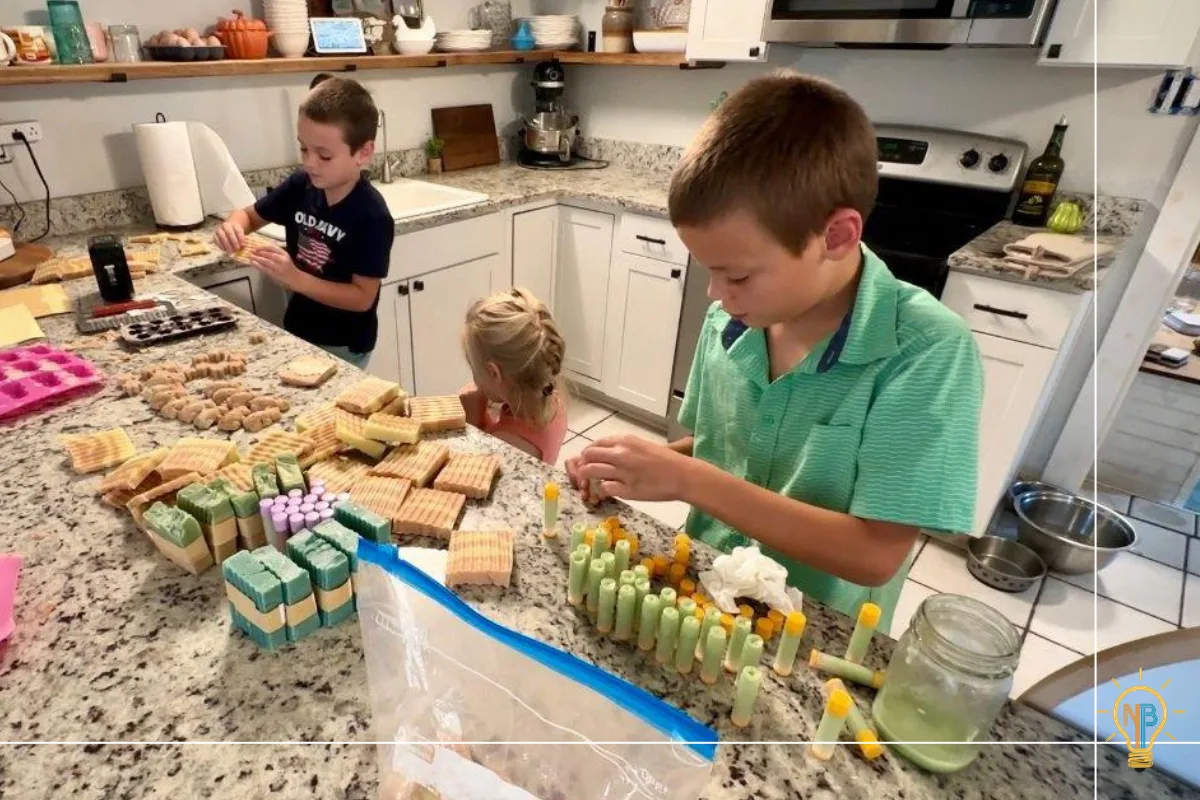
This is where entrepreneurship can become an unusually rich educational experience.
A child who creates something has to think about the person who will use it.
What problem does it solve?
Who needs it?
What should it cost?
How much does it cost to make?
How should it be explained?
How can the creator improve it?
Suddenly, mathematics, writing, communication, creativity, problem solving, and financial literacy have a reason to exist.
And the lesson goes beyond business.
Children discover that they can contribute something valuable.
Life Skills Don't Have to Become Another Curriculum
Perhaps the biggest mistake parents can make is looking at this list and thinking, "Wonderful. Now I have ten more subjects to teach."
Please don't.
The beauty of life-skills education is that it can happen inside the life you are already living.
You don't necessarily need a twelve-week course on communication. Let your child make the phone call.
It is to help them become comfortable communicating clearly, respectfully, and confidently.
You don't necessarily need a semester-long financial literacy curriculum. Let your child help compare prices at the grocery store.
You don't necessarily need a formal course on problem solving. When something goes wrong, invite your child into the process of figuring it out.
You don't need another worksheet to teach responsibility. Give your child something that genuinely belongs to them.
And you don't need to create a complicated entrepreneurship unit. Give your child a problem and ask whether they can think of a solution.
Homeschooling gives families the freedom to recognize these moments as education.
What About Academic Education?
Teaching life skills does not mean abandoning academics.
In fact, practical experiences can give academic knowledge somewhere to go.
A grocery trip can involve mathematics.
Cooking can involve fractions, measurement, reading, and chemistry.
Planning a family outing can involve geography, budgeting, research, and time management.
Running a small business can involve mathematics, writing, economics, communication, design, and problem solving.
Financial literacy can involve percentages, data, reading, decision-making, and mathematics.
Homeschooling gives families the freedom to recognize these moments as education.
The Advantage of Learning These Skills at Home
One of the great gifts of homeschooling is that education can happen in the context of real relationships and real responsibilities.
A child can learn to cook beside a parent.
A teenager can learn budgeting while planning a family purchase.
Siblings can practice communication while working on a project together.
A child can learn perseverance while repairing something that didn't work.
A young entrepreneur can learn that a customer is a real person with real needs.
Parents get to see not only what their children know, but how they use what they know.
That gives families opportunities to teach the heart behind the skill.
Why should we tell the truth?
Why should we keep our word?
Why should we care about doing a job well?
Why should we treat someone fairly?
Why should we give generously?
Why should we take responsibility when we make a mistake?
Those are not questions that can be answered by a worksheet alone.
They are questions children learn through conversation, observation, practice, and experience.
Start With One
You don't have to teach every life skill at once.
Choose one.
Maybe your child needs to become more responsible with money.
Maybe your teenager needs to learn how to manage a schedule.
Maybe your younger child needs more opportunities to practice communication.
Maybe your family could work on problem solving together.
Or perhaps this is the year you want your child to take greater ownership of a household responsibility.
Start there.
Then look for opportunities to practice the skill in real life.
The goal isn't to raise children who can do everything by themselves as quickly as possible.
The goal is to gradually raise young people who are capable, responsible, thoughtful, and willing to use what they have learned for the good of others.
That is a much bigger goal than simply preparing a child to pass a test.
And it is one of the beautiful things about homeschooling: education can happen not only in the lessons we intentionally sit down to teach, but also in the ordinary moments when our children are learning how to live.
Want to Explore Business Projects With Your Child?
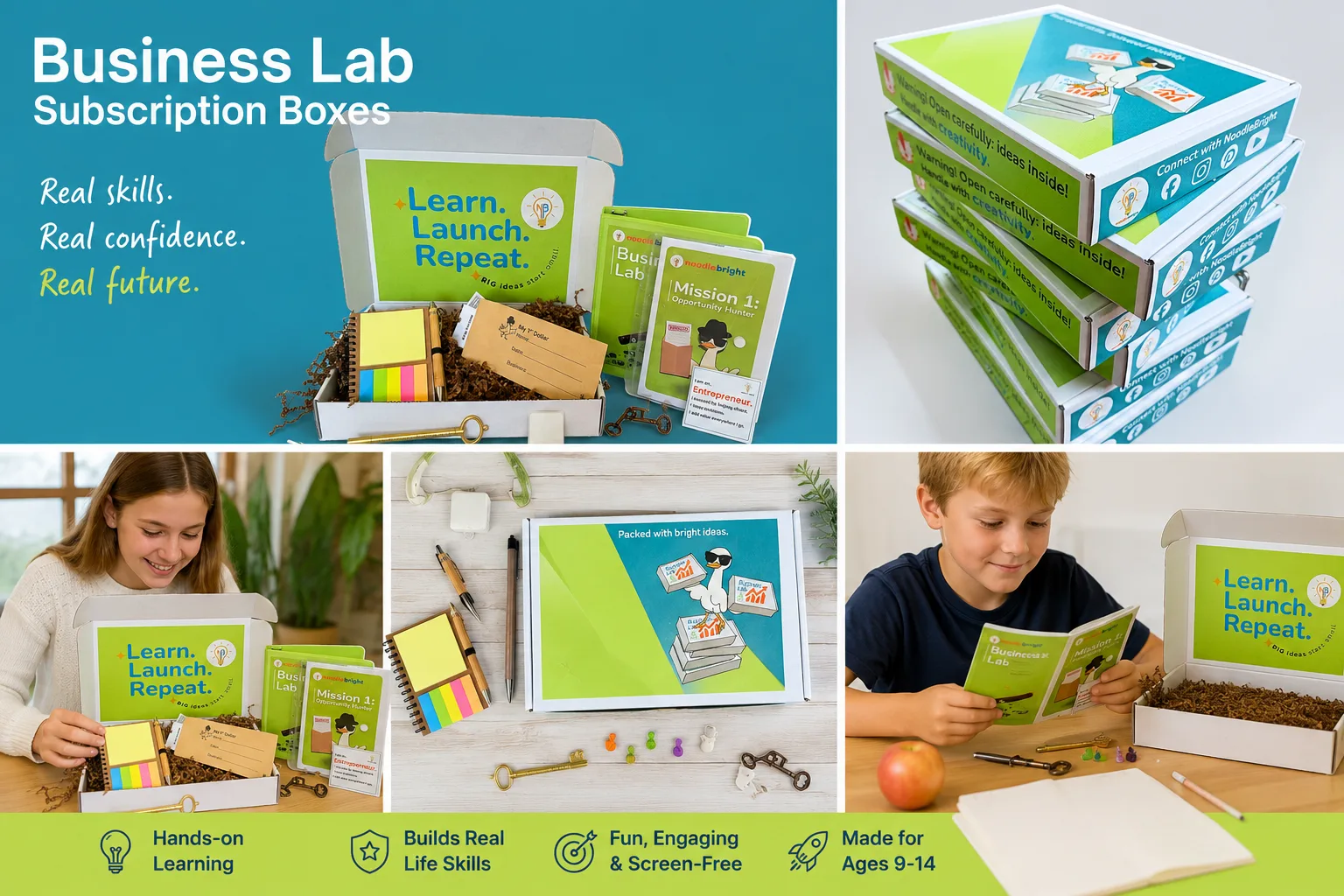
If you're looking for a structured way to introduce your child to entrepreneurship through hands-on projects, Noodle Bright Business Lab™ was created for kids ages 9–14. Each monthly box gives young learners an opportunity to explore entrepreneurship, problem-solving, marketing, financial literacy, and real-world business skills through hands-on activities.
Explore Noodle Bright Business Lab™ →
About the Author
Neeley Dosdall is a second-generation homeschool mom, entrepreneur, and founder of Noodle Bright Educational Resources LLC. After more than a decade of homeschooling her seven children, she created Noodle Bright Business Lab to help young people develop entrepreneurship, financial literacy, problem-solving skills, confidence, and practical life skills. Neeley believes some of the most meaningful learning happens when children have the opportunity to use what they know in the real world.