ESA & Funding
Arizona ESA Oversight & Suspended Accounts: What's Really Happening (2026)
Sourced breakdown of Arizona ESA oversight: ~400 accounts suspended out of 100,000+, how the four-layer review system works, what the '18,000 flagged' number actually means, and what ADE has tightened.
12 min read · Updated
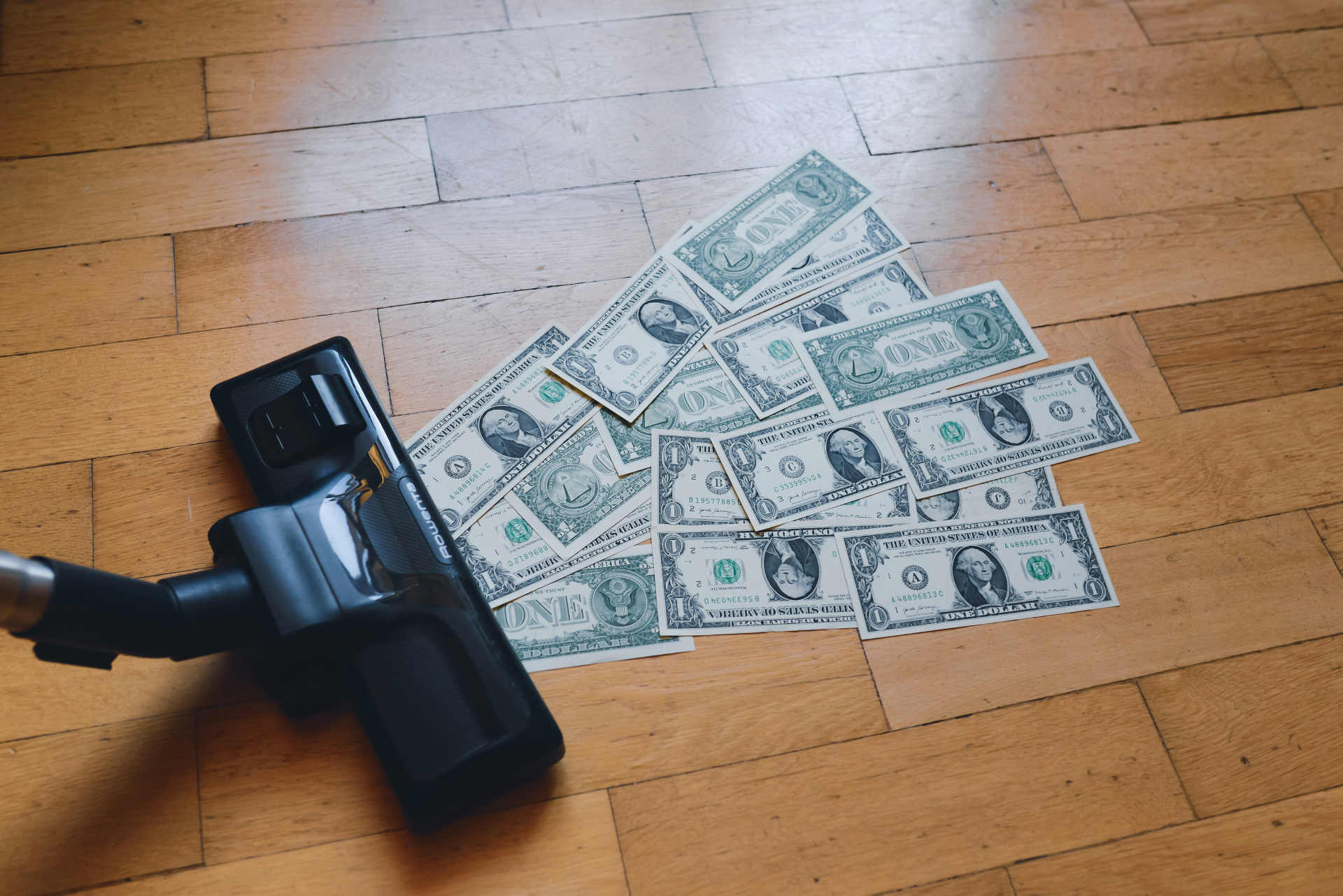
If you have googled "ESA fraud," "Arizona ESA scandal," or "parents buying luxury items with school vouchers," you have already met the headlines. The 12 News I-Team piece about diamond rings and Kenmore appliances. The ABC15 report on 400 accounts suspended and sent to collections. The Arizona State Law Journal essay titled "A billion dollars with no watchdog."
Every one of those is a real story. None of them tells you the rate, the system, or the outcome. This page does.
TL;DR. Arizona's Empowerment Scholarship Account (ESA) program now serves more than 100,000 students — a milestone the program crossed in early 2026 — on just over $1 billion in annual funding (AZ Capitol Times, EdChoice). As of the most recent Arizona Department of Education (ADE) reporting, approximately 400 accounts have been suspended and referred to the Attorney General for collections — well under 0.5% of accounts. ADE has flagged tens of thousands more for compliance review, the overwhelming majority of which resolve as documentation fixes, not fraud. ClassWallet, the payment platform, blocks disallowed purchases at the point of sale before dollars leave the account. Statute (A.R.S. § 15-2402) gives ADE clawback authority. That is what oversight looks like when it is working.
Last reviewed: 2026 program year. General information for Arizona families, not legal or tax advice.
What the news actually reported
Two pieces drive most of the "ESA fraud" traffic. Read them side by side:
12 News I-Team — "Parents bought diamond rings, luxury clothing, Kenmore appliances." (source) The core factual finding: a small number of parents submitted requests for clearly non-educational items. What the headline doesn't emphasize is that the vast majority of those requests were denied at the ClassWallet or ADE review stage — the system caught them. The story is what the system caught, not what it let through.
ABC15 — "400 ESA accounts suspended, state sends accounts to collections." (source) The core factual finding: after post-payment review found unallowable spending, ADE suspended those accounts and referred the debt to collections. This is the enforcement layer performing exactly the function statute assigns it — clawback and account termination for material misuse.
12 News — "18,000 parents flagged for misspending $103 million." (source) The number that gets quoted most often, and the most misunderstood. See below.
Arizona State Law Journal — "A billion dollars with no watchdog." (source) A serious policy critique arguing that oversight staffing hasn't scaled with program growth. That's a legitimate point of debate — but "not enough auditors" is a resourcing argument, not evidence that the program itself is a scam.
None of these stories is wrong. They just aren't the whole picture, and none of them ever runs the denominator.
How Arizona ESA oversight actually works
Every dollar in an ESA account moves through a four-layer system:
Layer 1 — ClassWallet at the point of sale. ClassWallet is the state-contracted payment platform. Funds never touch a parent's checking account. Direct Pay routes to registered vendors in allowable categories; the Marketplace only lists pre-vetted products; Reimbursements require itemized receipts. Non-educational categories (groceries, general clothing, gift cards, appliances) are blocked at the vendor-code level. This is pre-payment oversight.
Layer 2 — ADE compliance review. Every reimbursement submission and every flagged transaction is reviewed by ADE's ESA compliance team against the ESA Parent Handbook and A.R.S. §§ 15-2401 through 15-2404. Items outside the allowable list are denied. This is post-submission oversight, before dollars leave the account.
Layer 3 — Random and risk-based audits. ADE runs a random statistical sample plus risk-based reviews triggered by patterns (large end-of-year purchases, repeated denied-and-resubmitted transactions, single-vendor concentration, tips). Auditors can review the current fiscal year plus one prior — the two-fiscal-year lookback. Findings range from cleared, to corrective action plans, to repayment, to suspension. See our full Arizona ESA Audits Guide.
Layer 4 — Suspension, clawback, and AG referral. For material misuse, A.R.S. § 15-2402 authorizes account termination and clawback of misspent funds. Cases with evidence of intentional fraud are referred to the Arizona Attorney General. This is the layer the ABC15 story covers.
The 12 News "diamond rings" cases mostly failed at Layer 1 or Layer 2. The 400 suspended accounts hit Layer 4. That's not a system in collapse — that's the system doing its job.
The "18,000 flagged" number, decoded
The single most cited anti-ESA statistic is that Tom Horne's office "flagged 18,000 parents for misspending $103 million, but only 6 were referred for prosecution."
Here is what the number actually means:
- Flagged ≠ fraud. A flag is a review event. It means an expense triggered a compliance check.
- Most flags are documentation, not misspending. Missing itemized receipt. Order confirmation submitted instead of an invoice. Purchase entered in the wrong ClassWallet category. Late-year software licenses without proof of educational use. These clear on resubmission.
- The "$103 million" is the notional value of the flagged transactions, not confirmed misspending. After review, the amount actually recovered or ruled unallowable is far smaller.
- 6 prosecutions out of 100,000+ accounts is not "under-enforcement." It's the same reality every large program hits — most non-compliance is honest mistake, not criminal intent, and prosecutors triage accordingly. ADE addressed this directly in its statement correcting the false 20% figure.
If you converted "flagged" transactions in a school district's business office into headlines, every district in Arizona would sound like a scandal.
The percentages nobody quotes
Run the same numbers the news runs, but with a denominator:
| Metric | Approx value | % of program |
|---|---|---|
| ESA students | 100,000+ | 100% |
| Program funding (annual) | ~$1 billion | 100% |
| Accounts suspended (cumulative, most recent reporting) | ~400 | ~0.5% |
| Cases referred for prosecution | ~6 | ~0.007% |
| Funds actually clawed back | millions, not $103M | low single digits % |
For comparison, the Arizona Auditor General's annual district audit reports routinely identify millions in "questioned costs" and "significant deficiencies" across the district system every year — from a spending base an order of magnitude larger than ESA. Nobody calls those districts scams. They shouldn't. The point is that findings-per-billion is not automatically a scandal; the question is whether the system that catches them is functioning. In ESA's case, it demonstrably is.
Why the coverage skews the way it does
None of this is a defense of misuse. Parents who bought diamond rings with tax dollars deserved the denial letters and the suspensions they got.
But "97% of accounts are clean and the other 3% got caught by the system" is not a story. "Parent buys luxury handbag with school money" is. Both can be true.
The predictable coverage pattern:
- A viral anecdote runs — often surfaced via a public-records request that returns submitted requests, not paid requests.
- The denominator (100,000+ accounts) is left out of the headline.
- Enforcement outcomes (denial, suspension, clawback) are treated as evidence of failure, not proof of function.
- Legitimate structural critiques (auditor staffing, review latency) get bundled with sensational anecdotes, so the whole package reads as scandal.
If you're evaluating ESA as a family, the useful question isn't "have there been misuse cases?" (yes, and they were caught). It's "does the program's oversight actually work, and can I comply cleanly?" (also yes.)
What ADE and ClassWallet have already tightened
Program response to the coverage — most of it publicly documented in ADE bulletins and updated handbooks:
- Vendor code enforcement — categories that produced most misuse (appliances, general apparel, luxury) are now blocked or reimbursement-only with heightened review.
- Updated ESA Parent Handbook — clearer language on unallowable categories and required documentation. The current version is on the ADE ESA page, and our ESA Handbook guide walks through the rules and tracks the upcoming 2026-2027 edition.
- Expanded compliance staff — ADE has grown the ESA team materially since 2023 (still short of what critics want; better than what critics claim exists).
- Faster suspension for material findings — the shift the ABC15 story actually documents: ADE is more aggressive on clawback now, not less.
- Tighter ClassWallet Marketplace curation — items that were technically listable but functionally borderline (adult-oriented tech, general household goods) have been removed.
The trajectory has been more oversight over time, not less.
Independent data worth knowing
For a fuller policy picture beyond the news cycle:
- EdChoice — 2026: Is Arizona's ESA Plagued by Unallowable Expenses? — direct rebuttal to the "plagued by fraud" framing, with numbers.
- Common Sense Institute Arizona — participation, savings, and demographic analyses of ESA.
- Goldwater Institute — school choice archive — legal and policy analysis of ESA's structure.
- ADE communications — correcting the 20% claim.
- AZ State Board of Education — Misuse of Funds policy (PDF).
Read the critics too. It's a policy debate, not a religion.
If you're a family worried about compliance
You don't need to worry about the news cycle. You need to worry about your account. The families who get in trouble almost always share the same three habits:
- Buying first, asking later. If a category is even slightly ambiguous, run it past the What Arizona ESA Covers reference or ClassWallet's category list before purchase.
- Skipping documentation. Every purchase needs an itemized receipt, a short educational-purpose statement, and a mental note of which subject on your education plan it supports. The Audits Guide covers the documentation minimum.
- Stacking end-of-year purchases. Large April–June spending sprees are the single most common risk-based audit trigger. Spend across the year.
Do those three things and you'll never see the enforcement layers this article describes.
FAQ
Is Arizona ESA a scam? No. It's a state-authorized education-benefit program codified at A.R.S. §§ 15-2401 through 15-2404, audited by ADE, subject to Auditor General review, and upheld by Arizona courts. Individual misuse cases exist and get enforced; the program itself is legal, funded, and stable.
How many Arizona ESA accounts have been suspended? Approximately 400 accounts have been suspended and referred to collections in the most recent ADE and ABC15 reporting — well under 0.5% of the 100,000+ active accounts. Suspensions are cumulative across reporting periods, not annual.
What did parents actually buy that got flagged? The categories that produced the most viral coverage: luxury clothing, jewelry, home appliances, general household furniture, and adult-oriented tech. Almost all were caught at ClassWallet pre-payment or ADE post-submission review. A smaller number resulted in post-payment clawback.
Has anyone been criminally prosecuted for ESA fraud? A small number of cases — reported as roughly six — have been referred for prosecution. That's a function of prosecutors' evidentiary bar for intentional fraud, not evidence that other cases went unaddressed. Non-criminal cases still face suspension, clawback, and collections.
Can ADE claw back misspent ESA funds? Yes. A.R.S. § 15-2402 grants ADE authority to terminate an account and recover misspent funds. Accounts sent to collections, as reported by ABC15, are the clawback layer in action.
What does "18,000 accounts flagged" actually mean? It means those accounts had at least one transaction trigger a compliance review. The overwhelming majority of flags resolve as documentation issues (missing itemized receipt, wrong category, order confirmation submitted instead of an invoice), not misspending. The dollar figure attached is the notional value of the flagged transactions, not the amount ruled unallowable.
Is ESA "defunding" public schools? No. Arizona's K–12 appropriation has increased in nominal and inflation-adjusted terms during the ESA expansion. Because the ESA award (~$7,300) is smaller than district per-pupil spending, every student who transfers to ESA leaves more state money per remaining district student, not less. See our ESA Myths Debunked breakdown.
Where can I read ADE's own response to the coverage? ADE's statement correcting the 20% inappropriate-expenditure claim is the clearest single response.
Related resources
- Arizona ESA Audits Guide — what triggers an audit and how to audit-proof your account.
- What Arizona ESA Covers — the mental model for approvals and denials.
- 12 Arizona ESA Myths, Debunked — the broader mythbusting reference.
- Arizona ESA Application 2026 Guide — if you're deciding whether to enroll.
Comply cleanly, keep your receipts, and let the enforcement layer do its work on the people who deserve it.
Frequently Asked Questions
Is Arizona ESA a scam?▼
How many Arizona ESA accounts have been suspended?▼
What did parents actually buy that got flagged?▼
Has anyone been criminally prosecuted for Arizona ESA fraud?▼
Can ADE claw back misspent Arizona ESA funds?▼
What does the '18,000 ESA accounts flagged' number actually mean?▼
Still have ESA questions?
Ask the Arizona ESA Assistant - a chat grounded in ADE policy, ClassWallet rules, and Arizona homeschool law. Try one of these, or type your own.
- Can I use ESA funds for Bible curriculum in Arizona?
- How long does ClassWallet reimbursement take?
- Do I need a curriculum to buy school supplies with ESA?
- What documents do I need for a ClassWallet reimbursement?
Not legal, tax, or financial advice. Always confirm current rules with the Arizona Department of Education.
Part of the ESA & funding hub
Arizona ESA Guide
How Empowerment Scholarship Accounts work, what they pay for, and how to apply through ClassWallet.
More from the ESA & funding hub
- How to Use Arizona ESA to Homeschool: Step-by-Step Guide (2026)
Use Arizona ESA for home education: apply, get funded, buy curriculum, pay tutors, document expenses, and understand the homeschool affidavit rules.
- Arizona ESA Guide (2026): Eligibility, Funds, and How to Apply
Arizona ESA in 2026: every K-12 student qualifies, ~$7,000-$8,000/year for curriculum, tutoring, microschool, hybrid, online, and more. Eligibility, funds, how to apply.
- Arizona ESA-Approved Bible Curriculum: 2026 Family Guide
Use Arizona ESA funds for Bible-based homeschool curriculum. How approval works, which Christian publishers qualify, and how to buy through ClassWallet in 2026.
- Do You Get Paid to Homeschool in Arizona? (2026)
Yes, sort of: Arizona's ESA gives most families ~$7,000-$8,000 per child per year for curriculum, tutors, and tuition. How the money works, what it buys, and the trade-off.
This guide is general information, not legal, tax, or financial advice. Confirm current rules with the Arizona Department of Education before acting.